S12 E18: Legacy Planning Gaps: Why Static Legal Paperwork Fails Modern Families and the Rise of the Continuous, Compassionate Estate OS with Brooke Hipps, Founder of Weekend Will
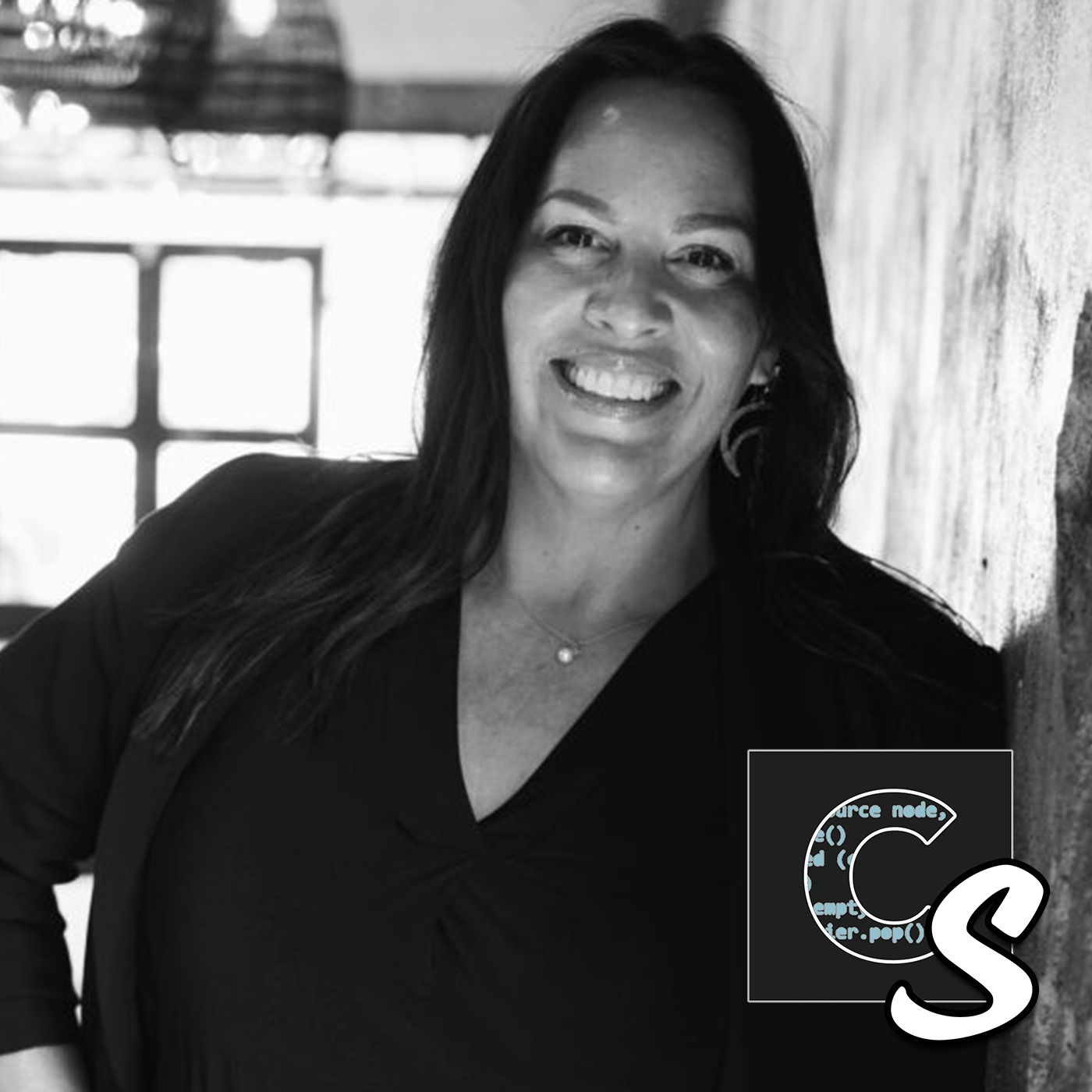
Brooke Hipps currently lives in Fort Worth, TX but grew up down the road in DeSoto. She is entrepreneur through and through, from the early years of learning from her parents, to starting three businesses of her own, in fashion, construction and estate planning. Outside of tech, she has three kids - one out of college and 2 still in college. Brooke is an outdoorsy person, enjoying spending time in nature, hiking, camping and playing a round of golf every now and again.
Recently, Brooke's sister passed away. Obviously, this was a difficult moment for her and her family, but what made it more difficult was that her sister didn't have a will. Brooke started asking the question "why bit?", and exploring building something to help Texan's with writing a love letter to your surviving loved ones.
This is the creation story of Weekend Will.
Sponsors
Links
Our Sponsors:
* Check out Cash App and use my code CASHAPP10 for a great deal: https://cash.app
* Check out Plaud AI and use my code CODESTORY for a great deal: https://plaud.ai
Advertising Inquiries: https://redcircle.com/brands
Privacy & Opt-Out: https://redcircle.com/privacy
[SPEAKER_01]: When you're starting something and you have this grand idea I thought what it's going to look like and you start going out into the market People will give you ideas like once you start talking about what you're building They're like, oh, did you think about this?
[SPEAKER_01]: What do you think about that?
[SPEAKER_01]: Did you think about this?
[SPEAKER_01]: And you don't think about all those things but you're inspired by what you're hearing.
[SPEAKER_01]: As we're building up this MEP, there were so many directions that I wanted to go.
[SPEAKER_01]: I wanted to have it bilingual from the beginning.
[SPEAKER_01]: I wanted to have a Spanish version.
[SPEAKER_01]: I wanted it to be in all 50 states.
[SPEAKER_01]: This, that, and the other thing, but I had financial limitations.
[SPEAKER_01]: This was an in-kind investment into the company, which meant, it wasn't dollars that I was working with, but it was just a scope of development.
[SPEAKER_01]: I'm Brett Kipps, and I'm the founder of Weekend Will.
[SPEAKER_00]: This is code story.
[SPEAKER_00]: A podcast bringing you interviews with tech visionaries.
[SPEAKER_00]: 6 months moonlighting goes.
[SPEAKER_00]: I was lossing on the backhand.
[SPEAKER_00]: Who share what it takes to change an industry?
[SPEAKER_00]: I don't exactly know what to do.
[SPEAKER_00]: It's all too many girls to get right.
[SPEAKER_00]: who built the teams that have their bad company is its team's help each other, which is proud of our team.
[SPEAKER_00]: Keeping scalability top of mind, all that infrastructure was up there.
[SPEAKER_00]: Yes, we've been fighting it as we grew up.
[SPEAKER_00]: Total waste of time.
[SPEAKER_00]: The stories you don't read in the headlines.
[SPEAKER_00]: It's not an easy thing to achieve.
[SPEAKER_00]: To get yourself a deficit of off, try to begin to ride the ups and downs of the start-up line.
[SPEAKER_00]: To really want it.
[SPEAKER_00]: Not just about technology.
[SPEAKER_00]: All this and more on code story.
[SPEAKER_00]: I'm your host, Neville Labpart.
[SPEAKER_00]: And today, how Brook Hips is helping you plan for the worst case scenario to save your family from unnecessary stress.
[SPEAKER_00]: Brookhips currently lives in Fort Worth, Texas, but grew up down the road in Desodot.
[SPEAKER_00]: She is an entrepreneur through and through from the early years of learning from her parents to starting three businesses of her home, in fashion, construction, and estate planning.
[SPEAKER_00]: Outside of Texas, three kids, one out of college and two still in college.
[SPEAKER_00]: Brook is an outdoorsy person enjoying spending time in nature, hiking, camping, and playing around a golf every now and again.
[SPEAKER_00]: Recently, Brooke's sister passed away.
[SPEAKER_00]: Obviously, this was a difficult moment for her and her family.
[SPEAKER_00]: But what made it more difficult was that her sister didn't have a will.
[SPEAKER_00]: Brooke started asking the question, why not?
[SPEAKER_00]: And exploring building something to help Texans with writing a love letter to their surviving loved ones.
[SPEAKER_00]: This is the creation story of Weekend Will.
[SPEAKER_01]: Weekit Will is a platform that helps Texans create, update,
[SPEAKER_01]: manage their estate cleaning documents.
[SPEAKER_01]: And we started with the last well-intestimate because I think that is one of the base documents of certainly like a few a package of documents that I make every text and need to have ready to should the unthinkable happen.
[SPEAKER_01]: It's a road not for your family.
[SPEAKER_01]: And historically, people have been left out of estate cleaning.
[SPEAKER_01]: I think it's
[SPEAKER_01]: historically been something that has been viewed as a tool for the wealthy, like that you needed a huge stage or a lot of wealth or many properties or many businesses to have this document in place.
[SPEAKER_01]: And from my personal experience of losing my sister, I learned and discovered that should not the case.
[SPEAKER_01]: And so I wanted a way to modernize what the current system was doing, which was going out, finding an attorney, spending a balance of dollars, and having this document that you don't update for another 20 years, which is simply
[SPEAKER_01]: and work.
[SPEAKER_01]: After she passed away, when she didn't have a will, I thought, why doesn't she have a will?
[SPEAKER_01]: Why don't I have a will?
[SPEAKER_01]: What has hurt out having a will really cost us?
[SPEAKER_01]: It caused turmoil in my family, it caused distress, it caused stress, it caused infighting, and it's those little things that really caused the biggest problems.
[SPEAKER_01]: And so what we can will does is it just box somebody
[SPEAKER_01]: sort of has been something that seemed inaccessible or confusing and just helps the person get this document in place from the comfort of their home.
[SPEAKER_01]: On their couch over a weekend we wanted to demystify it and to simplify it so that there's more users ship and that people have this document in place should the unthinkable happen and we really wanted it leveraged that technology leveraged
[SPEAKER_01]: And I think that just helps the community.
[SPEAKER_01]: It helps build that starting financial literacy for people.
[SPEAKER_01]: And it just lets you leave a love letter.
[SPEAKER_01]: I call it leaving a love letter to your feeling.
[SPEAKER_01]: Just hey, it's something happens to be here's what I want.
[SPEAKER_01]: Here are the things that are important to me.
[SPEAKER_01]: In here are the decisions that I want you to make and not Texas to make for me.
[SPEAKER_00]: I'm curious about the MVP, so that first version of the product you build.
[SPEAKER_00]: How long it take you to build and what sort of tools teams or approaches are using to bring it to life?
[SPEAKER_01]: When I started having the idea, I was actually at TCU, getting another degree, and was thinking about this assignment, which was, what is something that's you've encountered in your life that shouldn't have been so difficult?
[SPEAKER_01]: Immediately, I started thinking about sister, and so I started thinking about, well, what does that really look like?
[SPEAKER_01]: But it looks like somebody getting on to
[SPEAKER_01]: to a platform and us walking them through all the questions where they're not really seeing all the legalese and just as simple are you married and follow them into just breaking it down and making me a little bit more manageable where they're not overwhelmed and so when we started I had a in-kind
[SPEAKER_01]: donation to my startup funds in lieu of cash.
[SPEAKER_01]: I got to work with a company out of Dallas called Compsi and we started working on the MVP and I drew it all out just like on a piece is the paper and that's really where it started and then
[SPEAKER_01]: What I did learn about them in BP, and in what I think what I would have done different is not spend so long building out the MVP, but I spent a year doing it in retrospect.
[SPEAKER_01]: I've obviously learned that it could have been faster and it probably should have been faster.
[SPEAKER_01]: It was out and from that and having people on a system and going out and talking to people about it from that earlier version.
[SPEAKER_01]: It hasn't changed too much, but
[SPEAKER_01]: certainly feedback from outsiders has helped drive what these next few versions are going to look like.
[SPEAKER_01]: And we've used, yeah, yeah.
[SPEAKER_01]: So we, I have one developer out of Dallas and he's been getting in.
[SPEAKER_01]: He's awesome.
[SPEAKER_01]: And we've just built it from the ground up.
[SPEAKER_00]: want to stay on that for just a minute.
[SPEAKER_00]: I'm curious about and I hear some, but I'm curious of which one you want to kind of elaborate on.
[SPEAKER_00]: But a decision or trade off you had to make in creating that first version of the product and maybe it's a pro tour, you know, team or, and a limitation or tactic acceptance, all those things that tell me about this decision you had to make and how you cooked with it.
[SPEAKER_01]: When you're starting something and you have this grand idea about what it's going to look like and you start going out into the market.
[SPEAKER_01]: And people will give you ideas like once you start talking about like you're building they're like oh did you think about this?
[SPEAKER_01]: When you think about that, did you think about this?
[SPEAKER_01]: And you don't think about all those things that you're inspired by what you're hearing.
[SPEAKER_01]: And as we're building up this WP, there were so many directions that I wanted to go.
[SPEAKER_01]: I wanted to have it bilingual from the beginning.
[SPEAKER_01]: I wanted to have a Spanish version.
[SPEAKER_01]: I wanted to be in off the empty states.
[SPEAKER_01]: Just that and the other thing.
[SPEAKER_01]: I had financial limitations.
[SPEAKER_01]: This was an in-kind investment into the company, which meant it wasn't dollars that I was working with, but it was just strictly a scope of development.
[SPEAKER_01]: So I really had to think about...
[SPEAKER_01]: What the MVP was really going to do, and so it became just strictly a will, like a last willing testament for Texans.
[SPEAKER_01]: And so that's really where we've had the start, but as I thought about that and as we've gone through it, it's okay, that's okay.
[SPEAKER_01]: Just stay in your lane.
[SPEAKER_01]: get really good at it.
[SPEAKER_01]: Get those wills, you know, turned out for people in Texas and then later on start building from there.
[SPEAKER_01]: So I think it was just tempering and holding back on trying to do too many things.
[SPEAKER_01]: We didn't have the funds for it, but that's not really what we should have been doing in the way we should have been testing and proving just the simple will and just like,
[SPEAKER_01]: starting there.
[SPEAKER_01]: So it ended up just changing my frame of mine about how I wanted it to come out because I think you just, you have these ideas that, oh, I want this, I want that on this and just saying, okay, no, we're going to take a step back.
[SPEAKER_01]: It's going to be just the will product and we're going to do it well and we're going to learn everything about it and that's what we're going to do and we're going to be good with that.
[SPEAKER_00]: So then you've got the MVP, it's working the way that you want it to.
[SPEAKER_00]: And you start getting that feedback, right?
[SPEAKER_00]: You've got that court decision, you just described you start getting the feedback from people that you want.
[SPEAKER_00]: How did you mature it, or how are you maturing it and progressing it, and tripped in a question box a little bit when I'm looking for it, how do you build your roadmap?
[SPEAKER_00]: How did you go about how do you go about deciding that?
[SPEAKER_00]: Okay, this is the next most important thing to build or to address with Weekend Will.
[SPEAKER_01]: Because I have experience of building before I understand what scope creep is, especially coming from the construction of my construction backgrounds, running the construction company for eight years prior to this, it is a classic problem when you go and you work with a client.
[SPEAKER_01]: And it's the same thing I just described like,
[SPEAKER_01]: we want this.
[SPEAKER_01]: Oh, but we want this.
[SPEAKER_01]: The okay, just add that plug.
[SPEAKER_01]: Oh, but I would really like a window added here.
[SPEAKER_01]: And then it just blows up.
[SPEAKER_01]: You blow the budget.
[SPEAKER_01]: You do it anyway.
[SPEAKER_01]: The scope creep.
[SPEAKER_01]: It's real and it's easy to get going.
[SPEAKER_01]: But I think what you have to do is you really have to listen to the market.
[SPEAKER_01]: You have to listen to those other stakeholders, the people that you think would use your products and see really what they want and what they need.
[SPEAKER_01]: And so how?
[SPEAKER_01]: how it's coming up for weekend will is that as we went into the market and we started talking to people that show some strategic partnerships that we wanted to work with.
[SPEAKER_01]: This is the problem in rural towns and Texas is that it's called it's Executorship.
[SPEAKER_01]: So somebody loses a family member and they've been named an executor of an estate.
[SPEAKER_01]: That is a very complex
[SPEAKER_01]: undertaking that you may do once or twice in your entire life and it's not something that we talk about.
[SPEAKER_01]: So I think when you're given this title that you're an executor of closing out somebody's estate, it's overwhelming and it's confusing.
[SPEAKER_01]: And so that's probably the next part of our roadmap is building an executor ship.
[SPEAKER_01]: Also like getting bilingual, we know that
[SPEAKER_01]: Texas in the Valley where our Spanish speakers are were this proportionately affected by COVID and not having little in place during the pandemic.
[SPEAKER_01]: So I really wanted to reach that segment of the community and have something there for them in their own native language just going out and finding out what the real need is because they'll tell you and you will figure it out.
[SPEAKER_01]: Something where I was thinking, oh I want to do this, I want to do that.
[SPEAKER_01]: has evolved because of what people on the stretch in the streets have actually said.
[SPEAKER_01]: These are the things that we see our community struggling with.
[SPEAKER_01]: And so then, be you bill based on that.
[SPEAKER_00]: So, I'm curious about team and you mentioned earlier that you have a developer that's been with you from the beginning.
[SPEAKER_00]: How did you choose that developer?
[SPEAKER_00]: Maybe even future looking how, how do you, how are you going to go about expanding the team and what you look for in those
[SPEAKER_01]: Because of the way that my funding has come through, which is the in-kind funding of development, I was just paired with this developer.
[SPEAKER_01]: And for us to have the relationship that we have, we've been very lucky.
[SPEAKER_01]: It's worked out and we worked really well together and so that's been really great.
[SPEAKER_01]: But I know that as we grow we're going to have to add more people and honestly, no, this is something that I don't know what it's really going to look like in the future because I've been doing it by myself for a year and so I didn't really know.
[SPEAKER_01]: I can't answer that question about what my team is really going to look like.
[SPEAKER_01]: But I'm going to say that
[SPEAKER_01]: I like to work together and be open with ideas, and so somebody that joins the team is going to have to be that sort of person, a collaborative person who really understands and maybe really understands really what we're trying to do, which is take something that's been accessible for so many people in the state and allow them to find a way to get this document done.
[SPEAKER_01]: Being a teammate with Conscient has been incredible, and we've had a lot of, we had, I had an attorney that worked with me.
[SPEAKER_01]: I had for a while and consulted.
[SPEAKER_01]: We've had a lot of great consultants, but I don't know.
[SPEAKER_01]: I don't know what the future looks like for the next first team member that we put onto the team, but I'm excited about what that possibility could look like.
[SPEAKER_00]: So I'm curious about scalability.
[SPEAKER_00]: How are you going to go about scaling this to the masses?
[SPEAKER_00]: And the masses, Texas is a big state if it just focus on Texas, but even beyond that, I'm curious, maybe there's a technology aspect, also there's a business aspect.
[SPEAKER_00]: How are you going to do that?
[SPEAKER_00]: And do you anticipate interesting areas where you're going to have to fight it as you grow?
[SPEAKER_01]: Right now, the way that our strategy is currently is that we are looking to build a base here in Fort Worth.
[SPEAKER_01]: I think it's easy to think, oh, I need to be here.
[SPEAKER_01]: I need to be there.
[SPEAKER_01]: But what if I just went out and said, we own Fort Worth.
[SPEAKER_01]: We have every company here.
[SPEAKER_01]: We have this many people from all of these companies that have their employees that use weekend will
[SPEAKER_01]: But that being said, we are going to need to add other states and every state varies by their regular story.
[SPEAKER_01]: What they need inside of a lastable investment.
[SPEAKER_01]: And we are starting to look at Oklahoma.
[SPEAKER_01]: We're going to start with the states that are touching Texas.
[SPEAKER_01]: And I think there are technological ways that you get to be into other states faster than what we're currently doing.
[SPEAKER_01]: But
[SPEAKER_01]: We're just taking an approach right now of working inside of those states with local people, as opposed to going through technology to make it state to state because of the sensitive gray area, the regulatory gray area.
[SPEAKER_01]: It's easy to come into those spaces and really make people angry.
[SPEAKER_01]: or make the attorneys mad where they're started putting up legal roadblocks for you because it is a great area and we aren't encroaching into some people's bread and butter.
[SPEAKER_01]: And so we have taken a slower approach to scaling state to state for that very reason.
[SPEAKER_01]: We've actually had to face our own regulars where issues here.
[SPEAKER_01]: of being, you know, facing an accusation of practicing law without a license.
[SPEAKER_01]: And there's those are things that we just didn't anticipate but have slowed us down.
[SPEAKER_01]: And so as we're talking about scaling, we know it's possible.
[SPEAKER_01]: We know it's gonna happen.
[SPEAKER_01]: We know that there are 11 states in the union that are now executing their will documents completely online.
[SPEAKER_01]: We know that the future is this company.
[SPEAKER_01]: But we're willing to understand that regulatory doesn't always keep up with tech, and we're not going to ruffle any feathers on the way to doing that.
[SPEAKER_01]: Well, we're willing to just be here in Texas, really build it out, really make it strong, and slowly be about into the rest of the United States.
[SPEAKER_00]: Okay, so as you step out on the balcony, you look across all that you've built thus far with weakened will.
[SPEAKER_00]: What are you most proud of?
[SPEAKER_01]: So I am most proud of the people that are using it, the companies that have taken a chance on us, and brought in weekend will as an employee benefit, as an employer paid benefit for all of their employees to tell their people, we care about you here while you're in the office.
[SPEAKER_01]: But we care about you and to perpetuity.
[SPEAKER_01]: We care about your family.
[SPEAKER_01]: We care about you when you're not here.
[SPEAKER_01]: And so we want you to get this document in place.
[SPEAKER_01]: We want you to have weekend will as a part of your employment package because they see the value in it.
[SPEAKER_01]: And that's what I'm super proud of that we've built to have something that is bringing value to our communities.
[SPEAKER_01]: to the employers, to the employees, to weekend will, to the communities, starting those financial literacy questions.
[SPEAKER_01]: When you start your will, you start taking a look at everything that you own, all of your assets, all of your debts.
[SPEAKER_01]: You talk about guardianship, and you put some really important pieces together for yourself and for your family, in the way that we've opened it up to have more people be able to afford it.
[SPEAKER_01]: That is what I'm most proud of.
[SPEAKER_00]: Let's flip the script a little bit.
[SPEAKER_00]: Tell me about a mistake you made and how you and your team responded to it.
[SPEAKER_01]: First of all, I don't have a tech background.
[SPEAKER_01]: I made a mistake early on with purchasing and getting involved with people, I think, where it was just, it seemed really easy.
[SPEAKER_01]: Everybody is saying, you don't have to have a tech background, you don't have to have any money to start doing anything anymore.
[SPEAKER_01]: And not really vetting some of those early partnerships that I had when I was like having an idea to do this,
[SPEAKER_01]: and spending some money on that on some early development that if it's too good to be true, it's too bad to be true.
[SPEAKER_01]: To take the licks and you have to learn from them, you're just like, I screwed up, whatever, let's move on and it's been a lot of that and just not knowing what you don't know but I had the capacity for it, it worked out but you're going to make mistakes and that's part
[SPEAKER_01]: I knew it was going to happen and there's going to be mistakes still that are going to be made, but you just have to, if this is your call, this is what you want to do, you just find a way to get through it.
[SPEAKER_00]: Let's move into the future then.
[SPEAKER_00]: This will be exciting.
[SPEAKER_00]: What does the future look like for weekend will?
[SPEAKER_00]: All the things you have planned for it as you move forward or the product the company and for your team?
[SPEAKER_01]: So I'm looking forward to adding some more essential documents to the site.
[SPEAKER_01]: And just think a one-stop shop.
[SPEAKER_01]: We really want people to come in and have a relationship with the platform.
[SPEAKER_01]: Have everything in one place, have it in the ball, tab your documents there, where you know that they're safe.
[SPEAKER_01]: There's not going to be any couch, will debocals with weekend will.
[SPEAKER_01]: So we're excited about adding to the site.
[SPEAKER_01]: making it, having even more features there for everyone and getting it in another language, getting it our Spanish version, moving into Oklahoma, getting an executor package together.
[SPEAKER_01]: We're working on that right now, which is I alluded to, I talked about it a little bit earlier, but you're going to name an executor as you go through the platform.
[SPEAKER_01]: Let's help that executor.
[SPEAKER_01]: Also, let's give them a set of tools to tell them this is what that means for you.
[SPEAKER_01]: And these are the things that you're going to have to do when your time is called to beat us executor.
[SPEAKER_01]: It's an honorable position.
[SPEAKER_01]: It's something that comes with responsibility.
[SPEAKER_01]: we want to make that process easier, easier for the executors.
[SPEAKER_01]: And we're excited.
[SPEAKER_01]: We're having a year of getting out there and talking about it and introducing ourselves to the community, into the business community and the working through this regulatory issue.
[SPEAKER_01]: This also is almost closed.
[SPEAKER_01]: So I'm excited to be able to talk about that and just go out with even more confidence than I had before about we're here.
[SPEAKER_01]: We're going to grow and we want you to use we can well to get protected.
[SPEAKER_01]: So I'm really excited about
[SPEAKER_00]: about the next chapter of Weekendwell.
[SPEAKER_01]: So my parents are entrepreneurs and my graph hall is an entrepreneur and so I grew up pushing against that because I don't know I was just living it for my whole life I went into fashion and I was like I'm not going to be an entrepreneur but like now I'm finally this is what it is This is actually who I am and I would say that watching my parents I
[SPEAKER_01]: have a 2,000 person company and starting and cutting my teeth in that space and just watching them day in and day out like love business.
[SPEAKER_01]: And also take the hit and they never, they never made us afraid or made us feel like we weren't going to be okay as long as we had family.
[SPEAKER_01]: I don't know.
[SPEAKER_01]: I just watched them weather many storms over their careers of being entrepreneurs and even closing down and having an exit out of a company that wasn't maybe what they were expecting or thought.
[SPEAKER_01]: It was, there were difficult times, but I just always saw them keep their composure pivot, find a way, and they never lost their passion for building.
[SPEAKER_01]: And it just finally, it
[SPEAKER_01]: have these companies and still they're older now and they're still entrepreneurial and that's always that's now I can stay an inspiration to me and I'm completely embraced entrepreneurship and business.
[SPEAKER_01]: I never thought I pushed against it for so long.
[SPEAKER_01]: I don't want to be in business or a business but it just brings me joy in a way that I never expected or thought but it's because of them because of what I grew up watching.
[SPEAKER_00]: Last question, Brooke.
[SPEAKER_00]: So, you're getting on a plane, you're seeing next to a young entrepreneur who's built the next big thing.
[SPEAKER_00]: Their jazz about it, they can't wait to show it off to the world, can we show it off to you right there on a plane?
[SPEAKER_00]: What advice do you give that person having grown up in this and having started three businesses of your own, what advice do you give them?
[SPEAKER_01]: It can be lonely, this has been lonely at times, and you have to surround yourself with people that understand what you're doing.
[SPEAKER_01]: So you need to find your people, and you're going to have a lot of rejection, and just don't take it personal, and you have to do the hard things.
[SPEAKER_01]: And once you get out of your comfort zone, that's really where the magic happens.
[SPEAKER_01]: And that's the advice that I would get, never quit.
[SPEAKER_01]: It's the people that just hold on a little bit longer that make it.
[SPEAKER_00]: That's fantastic advice.
[SPEAKER_00]: We'll broke thank you for being on the show today and thank you for telling the creation story of Weekend Will.
[SPEAKER_01]: Yes, thank you so much.
[SPEAKER_00]: And this concludes another chapter of Coat Story.
[SPEAKER_00]: Code Story is hosted and produced by Noah Labhart.
[SPEAKER_00]: Be sure to subscribe on Apple Podcasts, Spotify or the podcasting app at your choice.
[SPEAKER_00]: And when you get a chance, leave us a review.
[SPEAKER_00]: Both things help us out tremendously.
[SPEAKER_00]: And thanks again for listening.
Latest Season of the Podcast is Sponsored By

 Apple Podcasts
 Castbox
 Castro
 Goodpods
 Moon FM
 Overcast
 Pocket Casts
 Podbean
 Podcast Addict
 Podcast Republic
 Spotify